Introduction
Every generation grows up in a completely different world. Music, technology, and communication methods evolve rapidly. Why doesn’t your granddad understand TikTok? Why does your child look puzzled when you show them a CD? Generations are shaped by their time and environment. Let’s take a journey through time and explore how different generations have influenced the world.
An Overview of the Generations
📜 The Lost Generation (1883-1900)
This generation grew up during World War I and was deeply marked by loss and chaos. Writers like Hemingway and Fitzgerald captured their melancholy and cynicism in literature.

🛠 The Greatest Generation (1901-1927)
Born during the Great Depression and coming of age during World War II. Discipline, hard work, and frugality were key values. They rebuilt the post-war world and witnessed early technological advancements.
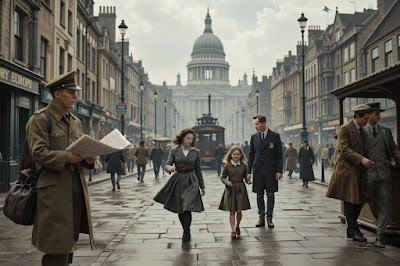
🤐 The Silent Generation (1928-1945)
A reserved generation, growing up during a time of reconstruction. They were loyal to their work and families, often avoiding confrontation. They listened to the radio, worked hard, and valued stability.
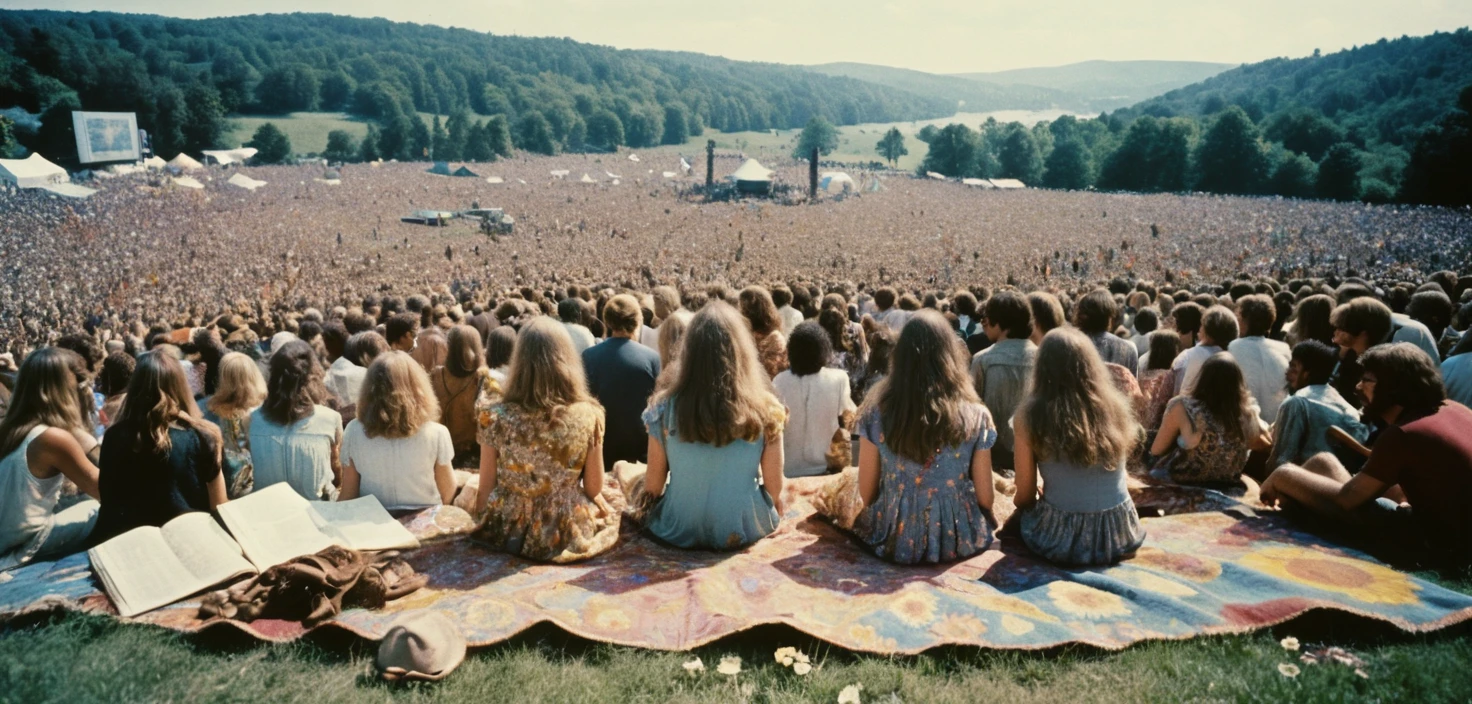
🌸 Baby Boomers (1946-1964)
The children of post-war prosperity. This was the generation of Woodstock, rock 'n' roll, the hippie movement, and the first television shows. They grew up in a period of economic growth and later played a crucial role in the technological revolution.
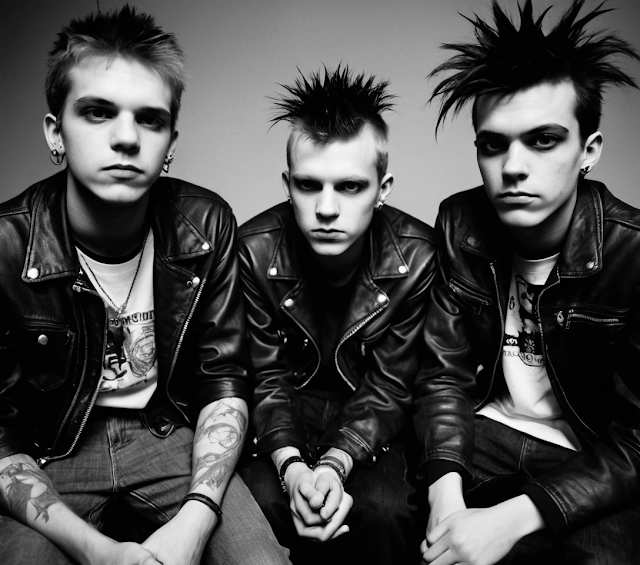
🕶 Generation X (1965-1980)
Between analogue and digital. The first generation to grow up with computers, video games, and MTV. Cynical, independent, and sceptical of authority. Music styles like punk, grunge, and new wave reflected their rebellious and sometimes melancholic nature.
📱 Millennials (1981-1996)
Raised with the internet, MSN, and the rise of social media. They remember life before smartphones but adapted quickly to the digital world. Idealistic, travel-loving, and nostalgic about the pop culture of their youth.
👾 Generation Z (1997-2012)
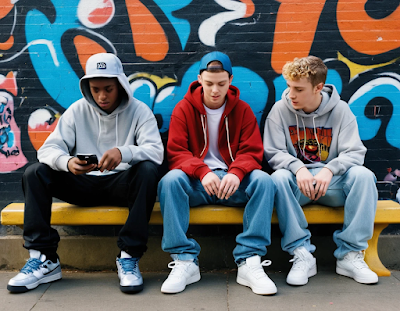
Born into a world where technology is omnipresent. They grew up with YouTube, Instagram, and TikTok, effortlessly multitasking across multiple screens. Sustainability, diversity, and mental health are important themes for them.
🤖 Generation Alpha (2013-2025)
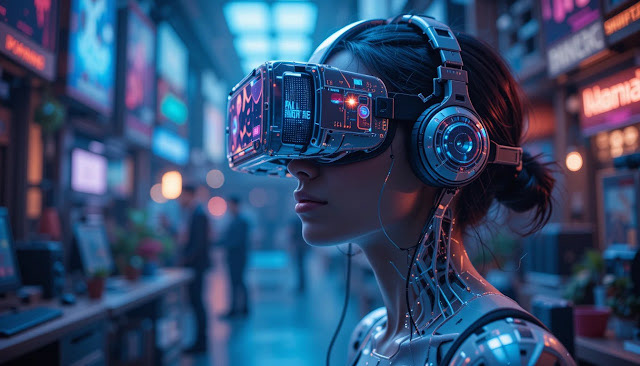
The first generation to grow up entirely in a digital world. AI, VR, and smart devices are second nature to them. They have access to limitless information and will likely develop a completely different perspective on the world than their predecessors.
The Impact of Generations on the World
Each generation brings new ideas, inventions, and cultural shifts. While Baby Boomers fuelled economic growth, Gen X introduced alternative culture and the digital revolution. Millennials transformed the way we work and communicate, while Gen Z focuses on social change and sustainability.
Conclusion: A Look to the Future
After Generation Alpha comes Generation Beta. How will this generation tackle the challenges of climate change, artificial intelligence, and social inequality? One thing is certain: every generation leaves a unique mark on the world.
I myself belong to Generation X, but I also strongly relate to Millennials. Especially in the realm of art and music, I feel connected to multiple generations. I have a deep love for the music of the ‘80s, but I also enjoy contemporary music. Interestingly, I’ve noticed that many Millennials have a strong appreciation for ‘80s music and culture, proving that generations are not always strictly separate worlds.
Art, too, evolves with each generation. Over the decades, different artistic movements have left their mark on the cultural landscape. Now, with the rise of AI, we are witnessing yet another revolution in creativity and artistic expression. This raises questions: Should we embrace this innovation, or does it threaten the authenticity of art? Such discussions have always existed—whether in music, painting, or digital art. Every generation brings change, and how we respond to it will shape the future.
Which generation do you identify with the most? And how do you think the future will unfold?